
 FREIGHT BROKERS & LOGISTICS • LINE OF CREDIT
Freight broker and logistics company financing — pay carriers without waiting on shippers
Loot offers freight brokers and logistics companies an unsecured business line of credit from $5,000 to $100,000. Use it to pay carriers quickly after a load delivers, cover back-office and technology costs, or take on a new shipper contract without waiting 30 to 60 days for that shipper's invoice to clear. Established freight brokerages and logistics companies with 1+ year in business and $200K+ in annual revenue can check their options with a soft pull. Requests up to $30K get an instant decision, while larger requests may take a few more minutes.
 No collateral
 No hidden fees
  Same-day funding for $49

Freight broker challenges: paying carriers before shippers pay you
Freight brokers sit in the middle of every shipment — coordinating the load, then paying the carrier that hauled it, often on a quick-pay basis within a few days of delivery. But the shipper who booked the load may not settle the broker's invoice for 30, 45, or even 60 days. That gap between paying a carrier out and collecting from the shipper is one of the biggest cash-flow pressures in freight brokerage, especially when volume is growing.
 Pay carriers quickly after delivery while shipper invoices are still processing
- Take on a new shipper contract without straining cash on hand
- Cover back-office, dispatch, and technology costs between payment cycles
Where a freight broker line of credit does the heavy lifting
Six moments when a brokerage's cash flow needs backup — and how a Loot line of credit can help.

Pay carriers on a quick-pay basis before the shipper settles
Carriers often expect payment within a few days of delivering a load, sometimes faster if they're offered a quick-pay option. Meanwhile the shipper who booked the load may not pay the brokerage's invoice for 30 to 60 days. A line of credit can help cover carrier payments so the brokerage isn't the one absorbing that gap.

Onboard a new shipper contract without straining cash
Winning a new shipper account can mean a sudden jump in load volume — and a jump in the carrier payments owed before that shipper's first invoice is even sent. A line of credit can give a brokerage the working capital to say yes to the volume without falling behind on carrier payments.

Cover payroll for dispatchers and sales staff
Dispatchers, carrier sales reps, and account managers still need to be paid every pay period, regardless of when shipper invoices clear. A short-term draw can help keep payroll on schedule without pulling from funds set aside for carrier payments.

Bridge seasonal freight volume swings
Freight volume can spike ahead of produce season, retail peak season, or a weather event, then drop off just as fast. A line of credit can help a brokerage staff up and pay carriers through a busy stretch without waiting on the season's invoices to clear first.

Invest in load boards, TMS software, and tracking tools
Transportation management software, load-board subscriptions, and carrier-tracking tools are ongoing costs that keep a brokerage competitive. A line of credit can help cover these tools without diverting cash away from carrier payments.

Cover licensing, bonding, and insurance costs
Broker authority, a surety bond, and contingent cargo insurance are all costs of doing business as a freight brokerage. A line of credit can help cover these renewals so they don't compete with carrier payments for the same cash.
How a freight broker line of credit helps
A business line of credit for freight brokers and logistics companies provides flexible capital to pay carriers on schedule while shipper invoices are still processing. Draw funds when needed, repay as shipper payments come in, and keep freight moving through the brokerage.

Loot for carrier payments
Draw capital instantly to pay carriers on schedule, even while a shipper invoice is still processing.
No hidden detours
Only pay for what you use — no extra fees added to the bill.

Fits any brokerage size
From a one-person brokerage to a multi-load logistics operation, the line flexes with your volume.
Trusted by freight brokers and logistics companies
Built by operators who understand quick-pay carrier expectations, slow-paying shippers, and seasonal volume swings. Transparent pricing, no hidden fees.

Speed that keeps pace with the load board
From application to funding, Loot provides brokerages with capital faster than a shipper settles an invoice.

Flexible like a shifting lane
Use a little or a lot. Repay as shipper payments come in. Scale limits as brokerage volume grows.
How a Loot line of credit works for a freight brokerage

Say your brokerage needs $25,000 to pay two carriers on a quick-pay basis while the shipper invoices for those loads are still 45 days from settling. With Loot, you can draw $25,000 from your approved line.
Before you confirm, you choose a fixed weekly repayment plan upfront, such as 16, 20, or 24 weeks. You see the total cost before you move forward.

If the shipper pays sooner than expected and you pay the draw off early, there is no prepayment penalty. Paying off early can save up to 50% of remaining fees.

As you repay, your line revolves — the funds become available again as you pay down the draw. Same-day approval is standard, decisions happen in minutes, and once approved, same-day funding is available for a $49 transfer fee.
Requirements for freight broker and logistics financing
To qualify with Loot, your freight brokerage or logistics business needs:
1+ years
$200k+
None
Checking eligibility is a soft pull, so it does not impact your credit score, approved or not. Loot looks at real business cash flow, not just a credit score.
Freight broker line of credit vs. term loan vs. business credit card
| Features | Business Line of Credit | Term Loan* | Business Credit Card |
|---|---|---|---|
| How you access funds | Draw from an approved credit line when your brokerage needs funds | Receive one lump sum upfront | Use the card for purchases up to the credit limit |
| What you pay for | Only the amount you draw | The full loan amount* | Purchases made on the card |
| Repayment | Each draw has a fixed daily, weekly, bi-weekly, or monthly repayment plan chosen upfront | Usually fixed payments over a set term* | Minimum monthly payments, with added fees if a balance carries |
| Revolves? | Yes, available credit returns as you repay | No, it is a one-time loan* | Yes, available credit returns as you pay |
| Best for | Carrier payments, payroll, and shipper payment gaps | A one-time technology platform purchase or agency buyout | Smaller purchases and everyday expenses |
A term loan* may suit a one-time purchase like a technology platform or agency buyout. A business credit card may work for smaller day-to-day expenses. A line of credit can support the recurring cost of running a brokerage — paying carriers on schedule — while shipper invoices are still processing.
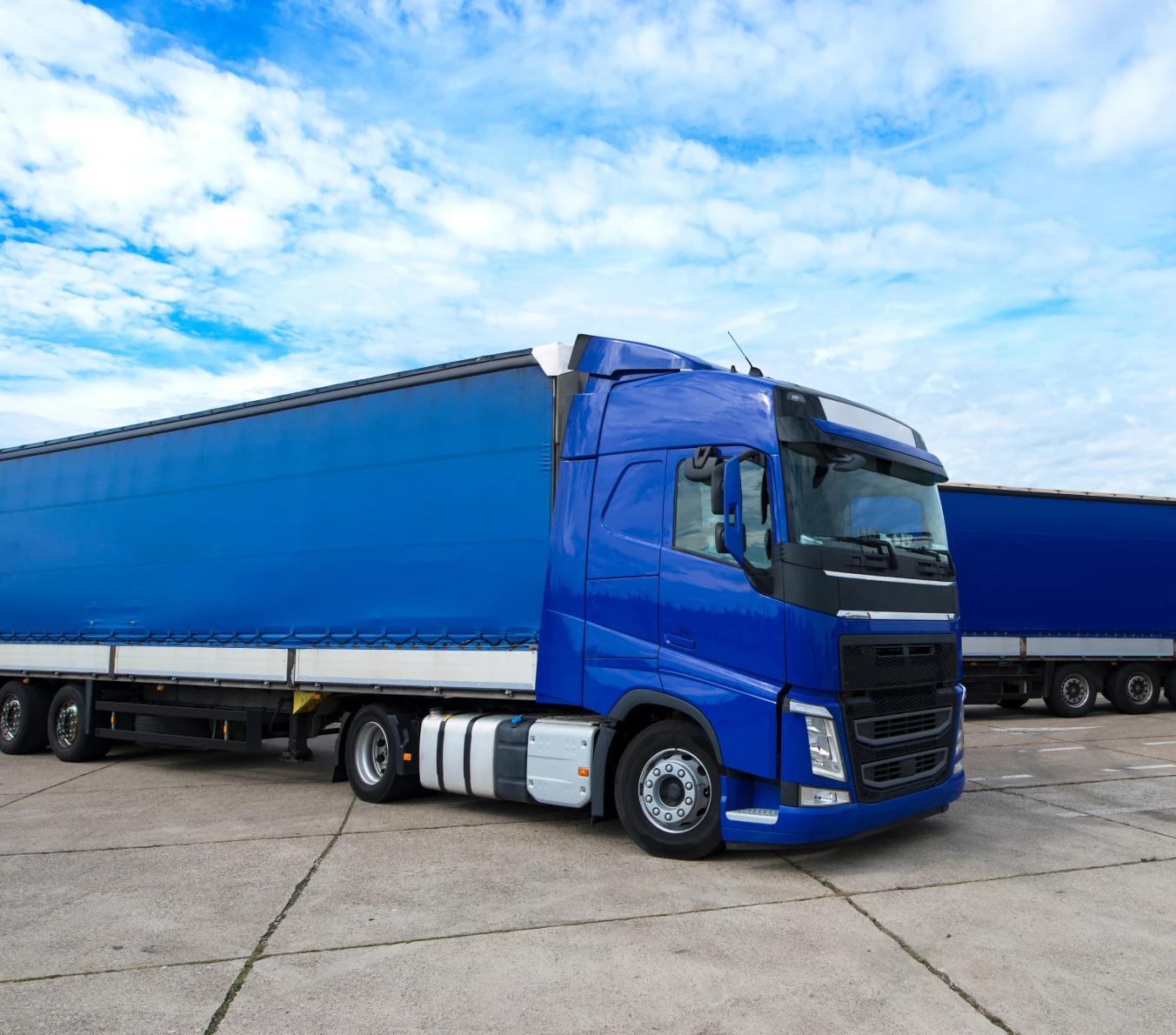
What freight brokers and logistics companies can use a line of credit for
- Carrier payments on a quick-pay basis
- Dispatcher and sales staff payroll
- Load board and TMS software subscriptions
- Broker authority, bonding, and cargo insurance
- Onboarding a new shipper contract
- Seasonal freight volume swings
- Office and back-office overhead
- Slow-paying shipper invoices
Draw funds when the brokerage needs them. Repay on the weekly plan you choose upfront. Keep your treasure chest available as you repay.
Financing for non-asset freight brokers
Financing for non-asset freight brokers can help pay carriers on schedule without owning a single truck. Since a brokerage's core job is coordinating and paying for capacity it doesn't own, cash flow depends entirely on collecting from shippers fast enough to keep paying carriers. A line of credit can help close that gap.
Financing for 3PLs and logistics companies
Financing for third-party logistics companies can help cover carrier payments, warehousing partners, and technology costs while client invoices are still processing. A line of credit can help a 3PL take on more volume without waiting on its own receivables to clear first.
Financing for quick-pay carrier obligations
Financing for quick-pay carrier obligations can help a brokerage offer carriers faster payment — a competitive advantage when carrier capacity is tight — without draining cash reserved for other costs. A line of credit can bridge the difference between what carriers expect and what shippers have actually paid.
Financing for onboarding new shipper contracts
Financing for onboarding new shipper contracts can help a brokerage staff up and pay carriers for a new account's early loads, before that shipper's first invoice is even sent. A line of credit can give a growing brokerage room to say yes to more volume.
Financing for seasonal freight volume swings
Financing for seasonal freight volume swings can help a brokerage handle produce season, retail peak season, or weather-driven spikes in demand. A line of credit can help cover carrier payments during a busy stretch without waiting on that stretch's invoices to clear.
Financing for freight technology and load-board costs
Financing for freight technology and load-board costs can help a brokerage keep its TMS, tracking tools, and load-board subscriptions current. These are recurring costs that keep a brokerage competitive, even in a slow month.
Don't take our word for it. Take theirs.
Loot funds small businesses across the US, and in our category we score in the top 5% of lenders for credibility, customer service, and user experience.
I will only use Loot
“I will only use Loot in the future for any financial needs my business might have and saying goodbye to everyone else!”

Freight broker & logistics financing FAQs
Loot has no minimum FICO score requirement. Underwriting looks at real business cash flow, not just a credit score. Your brokerage still needs 1+ year in business and $200K+ in annual revenue to qualify.
Freight brokerages can get a decision in minutes, and same-day approval is standard. Once approved, same-day funding is available for a $49 transfer fee.
No. Checking eligibility with Loot is a soft pull. It does not impact your credit score, approved or not. You can review your options before deciding whether to draw from the line.
Yes. Many freight brokers use a Loot line of credit specifically to cover carrier payments while waiting on a shipper's invoice to clear, which can take 30 to 60 days.
Freight & Trucking financing is built for companies that own and operate trucks, covering costs like fuel, truck repairs, and driver payroll. This page is built for brokerages and logistics companies that arrange and coordinate shipments and pay carriers, but don't own the trucks themselves — the cash-flow gap here is between paying a carrier and collecting from a shipper, not fuel or maintenance.
No. A Loot line of credit is separate working capital your business controls directly — you draw what you need and repay on a fixed schedule. It does not require selling or assigning your invoices to a third party.
Apply for freight broker and logistics financing today
If you're paying carriers on a quick-pay basis while a shipper invoice is still weeks from clearing, or ramping up for a new shipper contract, a line of credit can give your brokerage more room to move.
Get $5,000 to $100,000. Apply in minutes with a soft pull that will not impact your credit score. If approved, you can draw what you need, see the total cost before confirming, and keep your treasure chest available as you repay.
No collateralNo hidden fees Same-day funding for $49