
 SERVICE ANIMAL TRAINING • LINE OF CREDIT
Service animal training business financing — keep every placement on track
Loot offers service animal training businesses an unsecured business line of credit from $5,000 to $100,000. Use it to cover puppies, trainers and equipment, or give your business the room to ride out a slow season without cutting a training program short. Established service animal training businesses with 1+ year in business and $200K+ in annual revenue can check their options with a soft pull. Requests up to $30K get an instant decision, while larger requests may take a few more minutes.
 No collateral
 No hidden fees
  Same-day funding for $49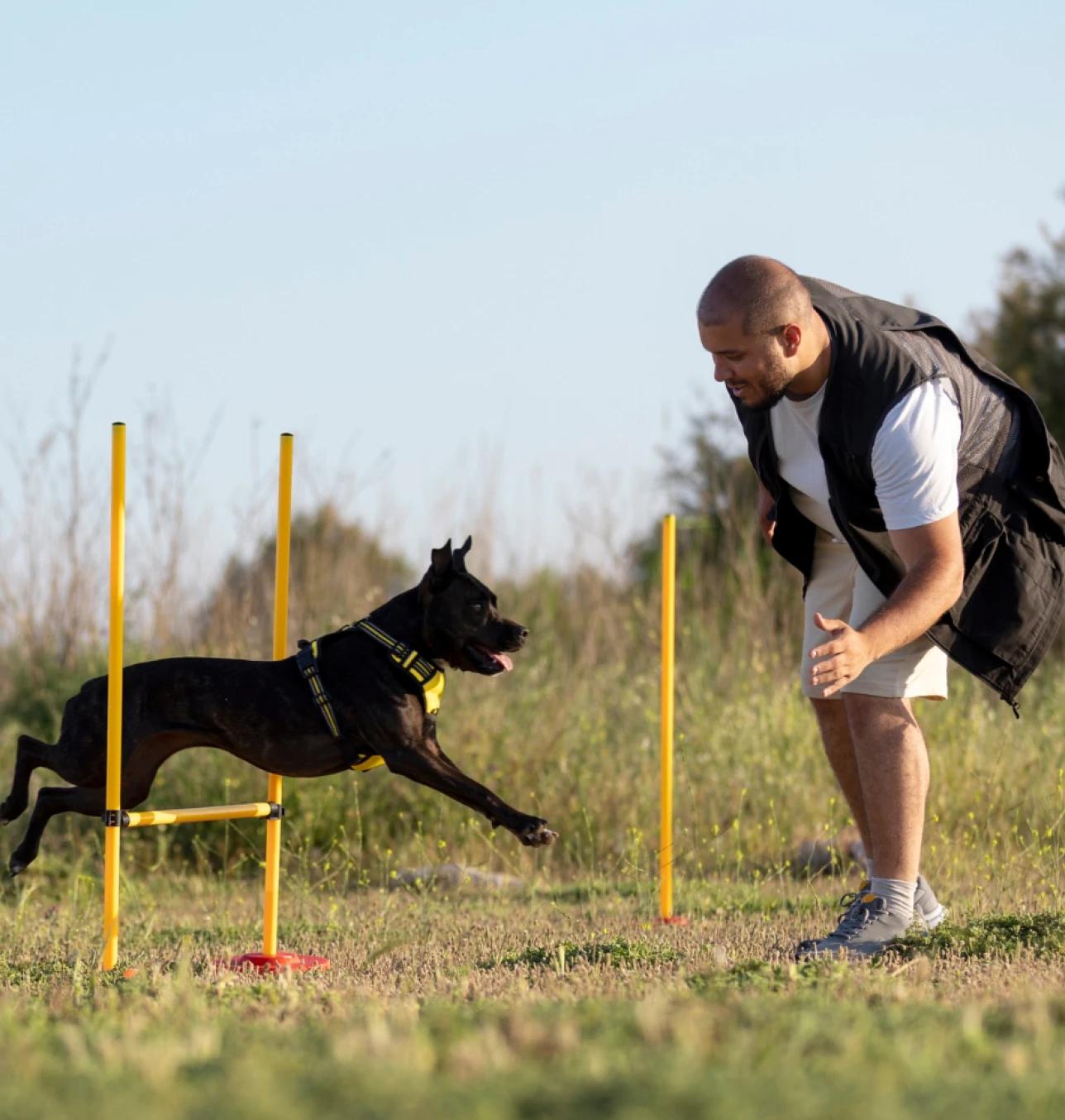

Service animal training challenges: puppy costs, staffing and slow seasons
Training a service dog takes months of work before a placement fee ever lands. A business may be covering food, vet checkups, socialization, trainer pay and facility costs for a dog long before that dog is placed. Winter months and quieter stretches can shrink referrals and placements while payroll and vet bills keep going.
 Cover puppy costs before placement fees land
- Handle emergency veterinary bills
- Ride out slower winter months without cutting training
Where a service animal training line of credit does the heavy lifting
Six moments when training cash flow needs backup — and how a Loot line of credit can help.

Cover puppy costs before placement fees land
Raising and socializing a service dog from an 8-week-old puppy through certification takes months of food, vet checkups, and training time before a placement fee ever arrives. A line of credit can help cover those costs without pulling cash away from dogs already in the program.

Handle emergency veterinary bills
A dog in training can need urgent veterinary care with no warning. A line of credit can help cover the bill right away, so a training timeline doesn't slip while the business waits on cash to catch up.

Ride out slower winter months without cutting training
Placements and referrals can slow down in the winter, but food, vet care, facility costs, and trainer pay don't pause. A revolving line can help smooth the gap between a strong season and a quieter one.

Cover trainer and staff payroll between placements
Trainers and support staff still need to be paid whether a dog is mid-program or ready for placement. A short-term draw can help cover payroll without draining funds set aside for puppies currently in training.

Fund equipment and facility costs
Kennels, training equipment, mobility props, and facility upkeep can be a large cost at once. A line of credit can help cover these costs before the next batch of placement fees arrives.

Expand to a new location or add trainers
Growth can mean opening a new location, adding certified trainers, or taking on more dogs at once. A line of credit can help cover the upfront costs of growth while keeping cash available for dogs already in the program.
These Dogs Give People Their Independence Back
See how a Loot line of credit helps Dawn Scott, owner of Errorless Service Dogs, cover emergency vet bills and ride out the slower winter months without missing a beat.
Watch their story
How a service animal training line of credit helps
A business line of credit for service animal training businesses provides flexible capital for puppies, payroll, and equipment. Draw loot when needed, repay as placement fees come in, and keep every program on track.

Loot for puppies
Draw capital instantly to cover food, vet care, and training costs.

No hidden costs
Only pay for what you use — no extra fees eating into placement fees.

Fits any program size
From a single trainer to multi-location operations, the line flexes with your needs.

Trusted by service animal training businesses
Built by operators who understand long training timelines and unpredictable vet bills. Transparent terms, no hidden costs.

Speed that keeps training moving
From application to funding, Loot provides training businesses with capital faster than a vet bill can wait.

Flexible like a training schedule
Use a little or a lot. Repay as placement fees clear. Scale limits as the program grows.
How a Loot line of credit works for a service animal training business

Say your business needs $14,000 to cover an emergency vet bill, trainer payroll, and food and supplies for dogs currently in the program. With Loot, you can draw $14,000 from your approved line.

Before you confirm, you choose a fixed weekly repayment plan upfront, such as 16, 20, or 24 weeks. You see the total cost before you move forward.

If placement fees land sooner than expected and you pay the draw off early, there is no prepayment penalty. Paying off early can save up to 50% of remaining fees.

As you repay, your line revolves — the funds become available again as you pay down the draw. Same-day approval is standard, decisions happen in minutes, and once approved, same-day funding is available for a $49 transfer fee.
Requirements for service animal training business financing
To qualify with Loot, your service animal training business needs:
1+ years
$200k+
None
Checking eligibility is a soft pull, so it does not impact your credit score, approved or not. Loot looks at real business cash flow, not just a credit score.
Service animal training line of credit vs. term loan vs. business credit card
| Features | Business Line of Credit | Term Loan* | Business Credit Card |
|---|---|---|---|
| How you access funds | Draw from an approved credit line when your business needs funds | Receive one lump sum upfront | Use the card for purchases up to the credit limit |
| What you pay for | Only the amount you draw | The full loan amount* | Purchases made on the card |
| Repayment | Each draw has a fixed daily, weekly, bi-weekly, or monthly repayment plan chosen upfront | Usually fixed payments over a set term* | Minimum monthly payments, with interest if a balance carries |
| Revolves? | Yes, the line revolves as you repay | No, it is a one-time loan* | Yes, available credit renews as you pay |
| Best for | Puppy costs, payroll timing, vet bills, equipment, seasonal gaps | Larger one-time projects or major facility upgrades | Smaller purchases, subscriptions, or everyday expenses |
A term loan* can fit one large purchase. A business credit card can fit smaller daily expenses. A business line of credit can fit repeat training-business needs, like puppy costs, payroll timing, vet bills, equipment, and seasonal gaps.
What service animal training business owners can use a line of credit for
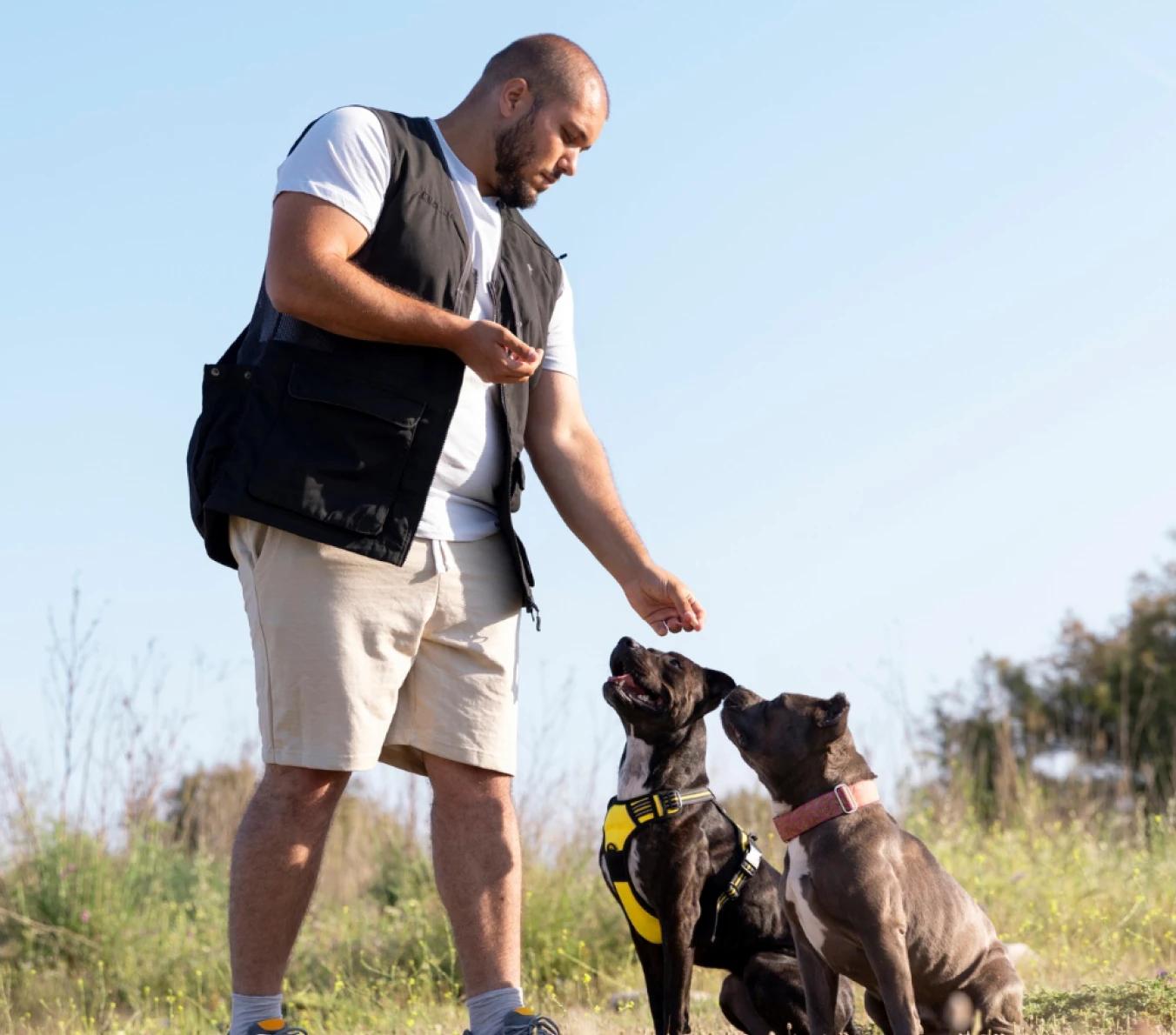
- Puppy acquisition, food, and vet checkups
- Emergency veterinary bills
- Trainer and staff payroll
- Kennel and facility costs
- Training equipment and mobility props
- AKC or other certification costs
- Slower winter months or referral gaps
- Hiring, expansion, or a new location
Draw funds when the business needs them. Repay on the weekly plan you choose upfront. Keep your treasure chest available as you repay.
Financing for service dog training businesses
Financing for service dog training businesses can help owners manage puppy costs, trainer payroll, and placement timing. Months of work often happen before a placement fee ever lands. A line of credit can help cover food, vet care, and training costs while cash catches up.
Financing for psychiatric and mobility service dog trainers
Financing for psychiatric and mobility service dog trainers can help cover the specialized, longer training timelines these programs require. A line of credit can help fund trainer time, equipment, and vet care while a dog works toward certification.
Financing for therapy dog training providers
Financing for therapy dog training providers can help cover certification costs, handler training, and facility expenses. A line of credit can help keep programs running between client fees.
Financing for dog training facilities and kennels
Financing for dog training facilities and kennels can help cover facility upkeep, kennel repairs, and equipment costs. A line of credit can help fund these costs without draining cash set aside for dogs currently in training.
Financing for multi-location service animal training companies
Financing for multi-location service animal training companies can help cover payroll and costs across sites while placements land on different schedules. A line of credit can help keep every location moving.
Financing for nonprofit-affiliated service dog programs
Financing for nonprofit-affiliated service dog programs can help cover the gap between donor funding, grants, and ongoing training costs. A line of credit can help keep dogs in the program moving toward placement while funding catches up.
Don't take our word for it. Take theirs.
Loot funds small businesses across the US, and in our category we score in the top 5% of lenders for credibility, customer service, and user experience.
I will only use Loot
“I will only use Loot in the future for any financial needs my business might have and saying goodbye to everyone else!”

Service animal training business financing FAQs
Yes. Service animal training businesses can apply for a Loot business line of credit if they have 1+ year in business and $200K+ in annual revenue. Loot offers $5,000 to $100,000 with no collateral required.
Loot has no minimum FICO score requirement. Underwriting looks at real business cash flow, not just a credit score. Your business still needs 1+ year in business and $200K+ in annual revenue to qualify.
Service animal training businesses can get a decision in minutes, and same-day approval is standard. Requests up to $30K get an instant decision, while larger requests may take a few more minutes.
Yes. Once approved, same-day funding is available for a $49 transfer fee. Transfer timing may depend on bank processing times and applicable cut-offs.
No. Checking eligibility with Loot is a soft pull. It does not impact your credit score, approved or not. You can review your options before deciding whether to draw from the line.
Yes. Service animal training businesses can use a Loot line of credit for puppy acquisition, food, vet checkups, and emergency veterinary bills. You see the total cost before confirming and only pay when you draw.
Yes. Service animal training businesses can use a Loot line of credit for trainer and staff payroll, kennel and facility costs, and training equipment. You choose a fixed weekly repayment plan upfront before confirming the draw.
Yes. A line of credit can help cover payroll, food, and facility costs during slower stretches when placements and referrals slow down, and it revolves as you repay.
Apply for service animal training business financing today
Whether you need to cover a puppy's care before placement or want more room to ride out a slow season, a business line of credit can give your training business working capital without draining the cash needed for everything else.
Get $5,000 to $100,000. Apply in under five minutes with a soft pull that won't affect your credit score. If approved, draw what you need, see the total cost before confirming, and keep your treasure chest available as you repay.
No collateralNo hidden fees Same-day funding for $49