
 SOLID WASTE COLLECTION & JUNK REMOVAL • LINE OF CREDIT
Solid waste and junk removal financing — keep every truck running and every load covered
Loot offers solid waste collection and junk removal businesses an unsecured business line of credit from $5,000 to $100,000. Use it to cover landfill tipping fees paid per load, fund truck and equipment repairs, or staff up fast for a storm cleanup or seasonal surge, without draining cash tied up in trucks already on route. Established waste and junk removal businesses with 1+ year in business and $200K+ in annual revenue can check their options with a soft pull. Requests up to $30K get an instant decision, while larger requests may take a few more minutes.
 No collateral
 No hidden fees
  Same-day funding for $49
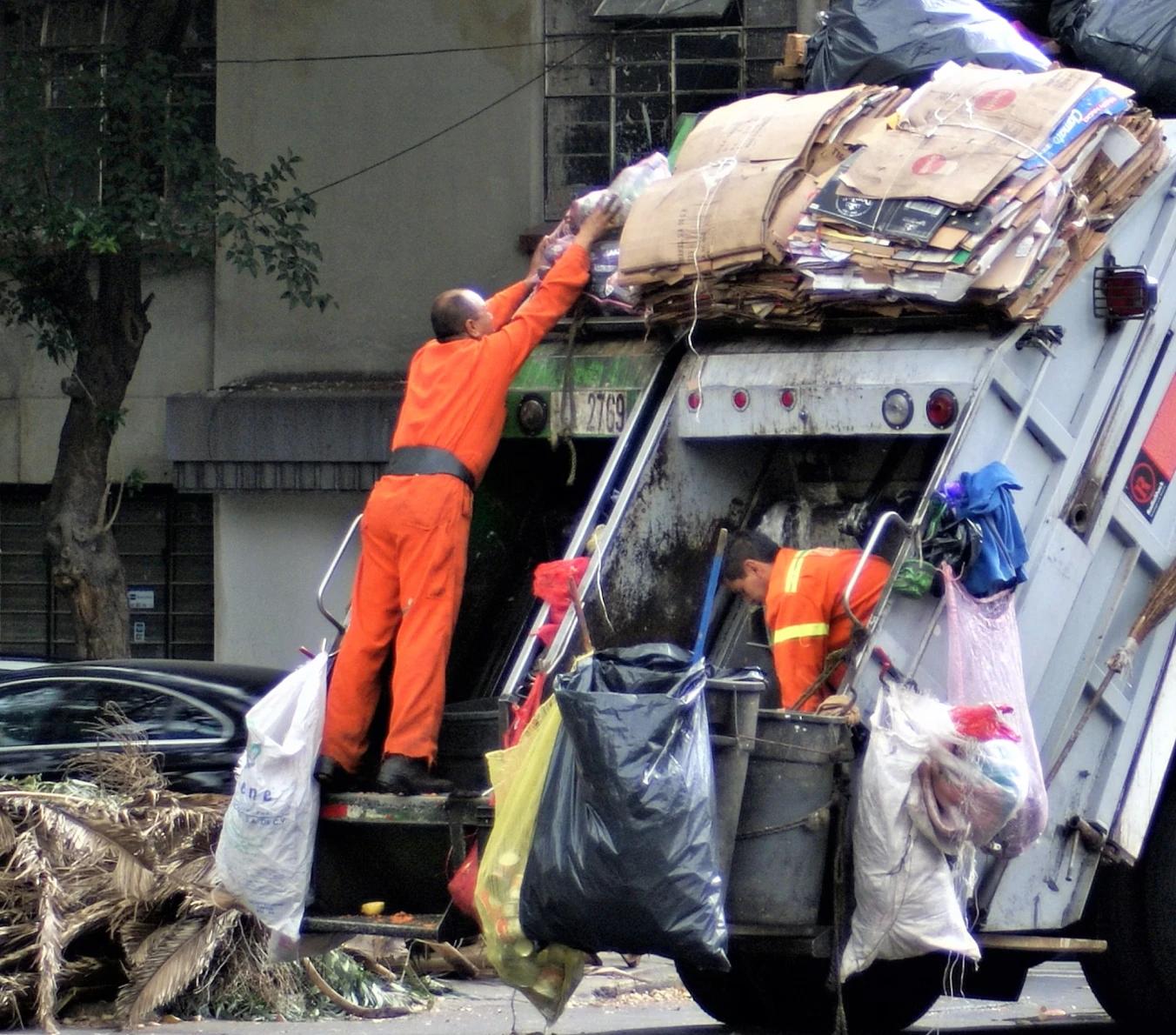
Waste collection and junk removal challenges: per-load tipping fees, truck costs, and seasonal surges
Junk removal and waste collection crews pay landfill and transfer station tipping fees at the point of disposal, often per load or per ton, well before the customer invoice is even sent, let alone collected. Trucks, roll-off containers, and compactors need ongoing maintenance and periodic replacement, and a single breakdown can sideline a route for days. Demand spikes hard around spring cleanouts, move-out season, and storm cleanup — the same weeks that require the most fuel, tipping fees, and crew hours upfront.
 Cover landfill and transfer station tipping fees before the customer invoice clears
- Fund truck, roll-off container, and equipment repairs or replacement
- Staff up and add trucks fast for a storm cleanup or seasonal surge
Where a waste collection and junk removal line of credit does the heavy lifting
Six moments when a solid waste or junk removal business's cash flow needs backup — and how a Loot line of credit can help.

Cover tipping fees before the invoice clears
Crews pay landfill or transfer station fees per load or per ton at the time of disposal, while commercial customers often pay on extended payment windows. A line of credit can help cover the disposal cost gap without slowing down the route.

Repair or replace a truck, roll-off, or compactor
A truck or piece of equipment going down can sideline a route for days, and a repair or replacement is often needed immediately to keep jobs moving. A line of credit can help cover the cost without delaying the next pickup.

Staff up fast for a storm cleanup or seasonal surge
Storm debris removal and spring cleanout demand can spike overnight, requiring additional crews, trucks, and disposal capacity before that surge of new jobs is billed. A line of credit can help a business mobilize fast.

Purchase or lease additional roll-off containers
Adding roll-off container inventory to serve more construction and demolition customers takes upfront capital before the added rental income arrives. A line of credit can help expand capacity without pulling cash from current routes.

Cover fuel and crew payroll on high-volume routes
Fuel and crew payroll for a busy day of multiple dump runs go out the same day, while payment can lag, especially on commercial accounts with extended payment windows. A line of credit can help keep routes running on schedule.

Bridge the slow season between demand surges
Once a storm cleanup or spring rush winds down, business can slow, but truck payments, insurance, and core crew payroll continue. A line of credit can help a business stay fully staffed and equipped for the next surge.
How a solid waste and junk removal line of credit helps
A business line of credit for solid waste collection and junk removal businesses provides flexible capital to cover tipping fees, truck repairs, and seasonal staffing costs. Draw loot when needed, repay as invoices clear, and keep every truck on the road.

Loot for tipping fees
Draw capital instantly to cover landfill and transfer station fees on every load.

No hidden costs
Only pay for what you use — no extra fees cutting into route margin.

Fits any fleet size
From a single truck to a multi-crew operation, the line flexes with your needs.

Trusted by waste collection and junk removal operators
Built by operators who understand per-load tipping fee costs, truck maintenance cycles, and seasonal cleanup surges. Transparent pricing, no hidden costs.

Speed that beats a landfill deadline
From application to funding, Loot provides waste and junk removal businesses with capital faster than a route can wait on an invoice.

Flexible like a pickup schedule
Use a little or a lot. Repay as invoices clear. Scale limits as your route count grows.
How a Loot line of credit works for a solid waste or junk removal business

Say your business needs $10,000 to cover a week of landfill tipping fees and fuel during a spring cleanout surge, while several commercial customer invoices are still on extended payment windows. With Loot, you can draw $10,000 from your approved line.
Before you confirm, you choose a fixed weekly repayment plan upfront, such as 16, 20, or 24 weeks. You see the total cost before you move forward.

If those invoices clear sooner than expected and you pay the draw off early, there is no prepayment penalty. Paying off early can save up to 50% of remaining fees.

As you repay, your line revolves — the funds become available again as you pay down the draw. Same-day approval is standard, decisions happen in minutes, and once approved, same-day funding is available for a $49 transfer fee.
Requirements for solid waste and junk removal financing
To qualify with Loot, your waste collection or junk removal business needs:
1+ years
$200k+
None
Checking eligibility is a soft pull, so it does not impact your credit score, approved or not. Loot looks at real business cash flow, not just a credit score.
Solid waste and junk removal line of credit vs. term loan vs. business credit card
| Features | Business Line of Credit | Term Loan* | Business Credit Card |
|---|---|---|---|
| How you access funds | Draw from an approved credit line when your waste or junk removal business needs funds | Receive one lump sum upfront | Use the card for purchases up to the credit limit |
| What you pay for | Only the amount you draw | The full loan amount* | Purchases made on the card |
| Repayment | Each draw has a fixed daily, weekly, bi-weekly, or monthly repayment plan chosen upfront | Usually fixed payments over a set term* | Minimum monthly payments, with added fees if a balance carries |
| Revolves? | Yes, the line revolves as you repay | No, it is a one-time loan* | Yes, available credit renews as you pay |
| Best for | Per-load tipping fees, truck and equipment repairs, seasonal cleanup surges | Larger one-time purchases like a new truck or compactor | Smaller purchases, subscriptions, or everyday expenses |
A term loan* can fit one large purchase. A business credit card can fit smaller daily expenses. A business line of credit can fit repeat waste collection and junk removal needs, like per-load tipping fees, truck repairs, and seasonal cleanup surges.
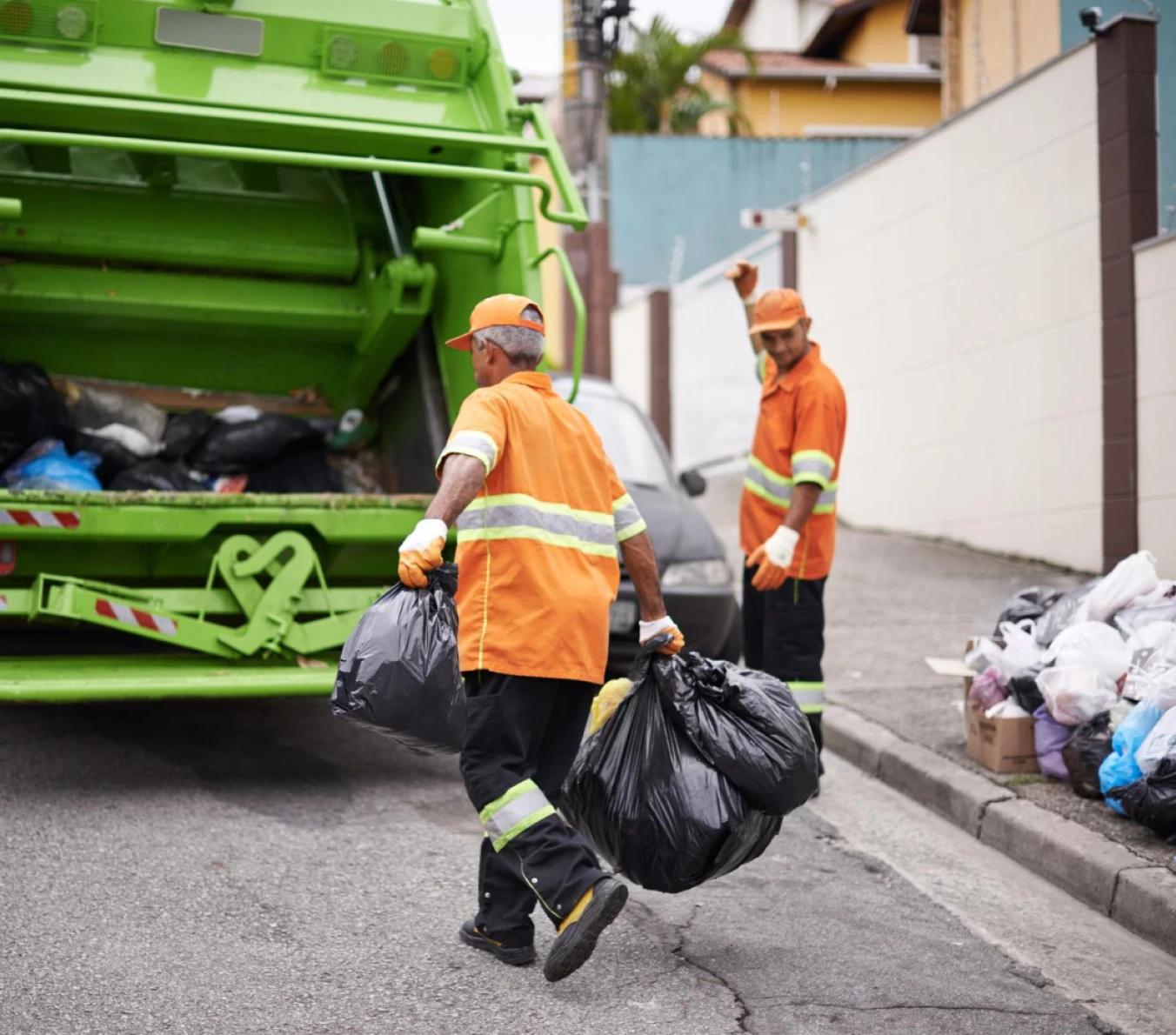
What waste collection and junk removal owners can use a line of credit for
- Landfill and transfer station tipping fees
- Truck, roll-off, and compactor repairs or replacement
- Fuel and crew payroll on high-volume routes
- Storm cleanup and seasonal surge staffing
- Additional roll-off container purchases or leases
- Insurance, permitting, and disposal licensing costs
- Bridging the slow season between demand surges
- Extended payment windows on commercial accounts
Draw funds when the business needs them. Repay on the weekly plan you choose upfront. Keep your treasure chest available as you repay.
Financing for residential junk removal companies
Financing for residential junk removal companies can help cover tipping fees and fuel on same-day jobs, before those jobs are invoiced and collected.
Financing for commercial and construction debris removal companies
Financing for commercial and construction debris removal companies can help cover higher-volume tipping fees and roll-off costs while commercial accounts pay on extended payment windows.
Financing for residential and municipal waste collection companies
Financing for residential and municipal waste collection companies can help cover fleet fuel and crew payroll costs across a full collection route before billing cycles catch up.
Financing for storm and disaster cleanup services
Financing for storm and disaster cleanup services can help a crew mobilize fast, covering fuel, tipping fees, and added labor before the surge of new jobs is billed.
Financing for roll-off dumpster rental businesses
Financing for roll-off dumpster rental businesses can help fund additional container purchases before the added rental income arrives.
Financing for growing fleet-based waste removal companies
Financing for growing fleet-based waste removal companies can help cover truck purchases, repairs, and staffing costs as a route count expands.
Don't take our word for it. Take theirs.
Loot funds small businesses across the US, and in our category we score in the top 5% of lenders for credibility, customer service, and user experience.
I will only use Loot
“I will only use Loot in the future for any financial needs my business might have and saying goodbye to everyone else!”

Solid waste collection & junk removal financing FAQs
Yes. Solid waste collection and junk removal companies can apply for a Loot business line of credit if they have 1+ year in business and $200K+ in annual revenue. Loot offers $5,000 to $100,000 with no collateral required.
Loot has no minimum FICO score requirement. Underwriting looks at real business cash flow, not just a credit score. Your company still needs 1+ year in business and $200K+ in annual revenue to qualify.
Junk removal and waste collection companies can get a decision in minutes, and same-day approval is standard. Once approved, same-day funding is available for a $49 transfer fee.
No. Checking eligibility with Loot is a soft pull. It does not impact your credit score, approved or not.
Yes. Waste collection and junk removal companies can use a Loot line of credit for truck repairs, dump fees, fuel, dumpster inventory, and other operating costs. Moving companies that handle post-move cleanouts and debris hauling deal with similar fleet and disposal expenses — both businesses benefit from a revolving line that covers operating costs between job payments.
Yes. Junk removal and waste collection companies can use a Loot line of credit for driver wages, loader payroll, and dispatch staff. Companies that serve commercial clients alongside property management firms handling tenant turnover cleanouts often need to keep crews paid weekly while those commercial invoices clear on net-30 terms.
Companies adding trucks, hiring drivers, or expanding routes may benefit from a growing companies line of credit designed for businesses that are actively scaling.
Apply for solid waste and junk removal financing today
Whether you need to cover tipping fees on today's route or want more room to staff up for a storm cleanup surge, a business line of credit can give your waste collection or junk removal business working capital without draining the cash tied up in trucks already on the road.
Get $5,000 to $100,000. Apply in under five minutes with a soft pull that won't affect your credit score. If approved, draw what you need, see the total cost before confirming, and keep your treasure chest available as you repay.
No collateralNo hidden fees Same-day funding for $49